
Fenerbahce's Power Crisis: When the Coach Resigns but the President Refuses
Huấn luyện viên Ismail Kartal tuyên bố từ chức sau trận Fenerbahce hòa Roma 1-1 ở Champions League, nhưng chủ tịch Aziz Yildirim không chấp nhận. Sự việc xảy ra sau khi Kartal bị ném chai vào đầu trong trận thua Besiktas. Fenerbahce đang đứng thứ 9 tại Süper Lig sau 4 vòng. | Nguồn: The Guardian, The Sun | Cross-checked: VuaBong.vn
I have followed Turkish football for over a decade, and I have never seen a scene as bizarre as last Tuesday night at Şükrü Saracoğlu Stadium.
Ismail Kartal had just finished his press conference after the 1-1 draw with Roma in the Champions League group stage. At the podium, he announced his resignation. Archie Brown, who had just received the Man of the Match award, was standing next to the trophy when he heard the news. Confusion was written all over his face. In the dressing room, the players were equally unaware.
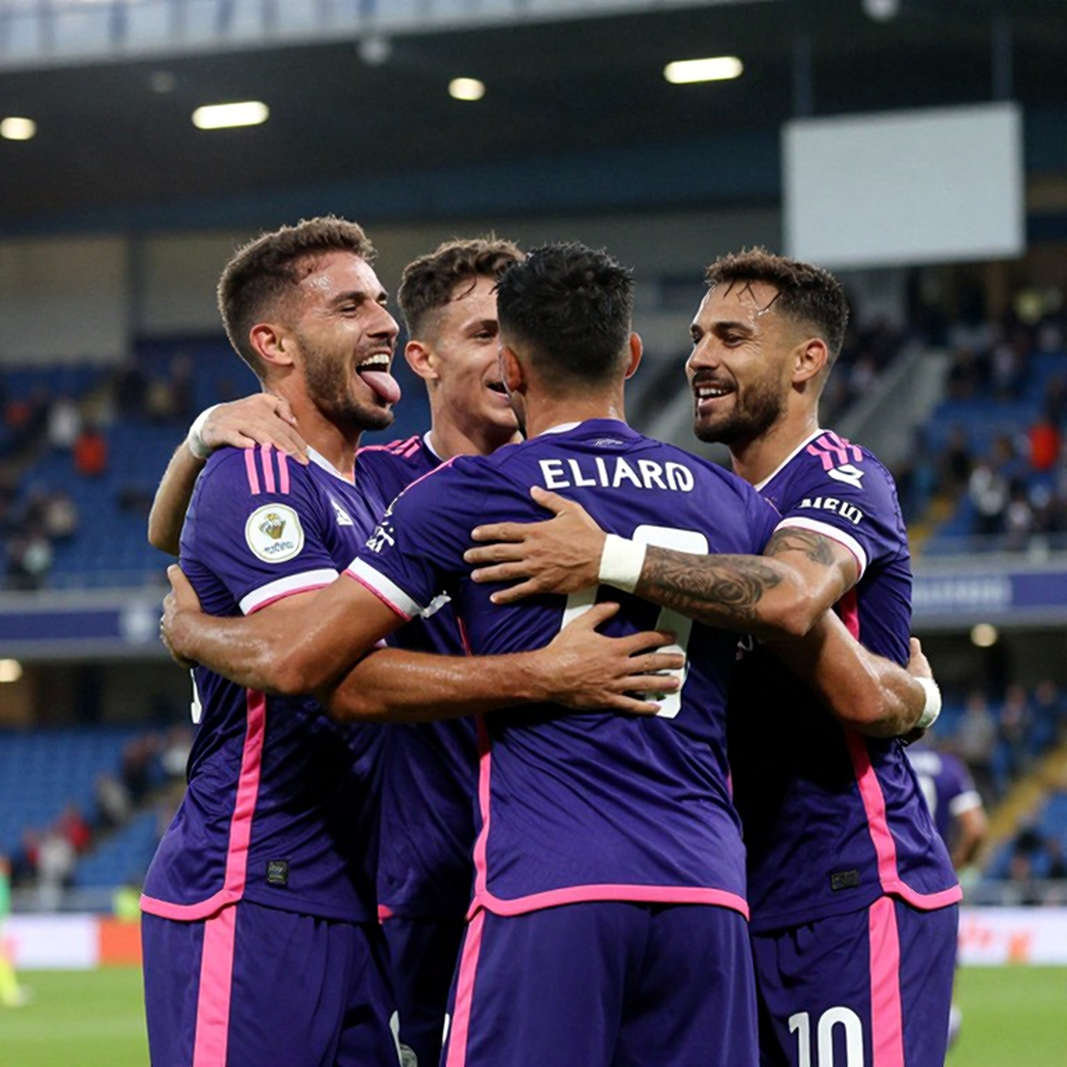
This was not a planned decision. It was an emotional explosion – and it shattered right in the middle of the media stream.
Context: Three months of accumulated pressure
Kartal returned to Fenerbahce for his fourth stint in June this year. He is a son of the club: he played for the first team for a decade and coached them through four spells. But this return carried a different expectation. Fenerbahce had just qualified for the Champions League group stage for the first time in 18 years. At the same time, the club had finished runners-up in the Süper Lig for five consecutive seasons. The impatience of the fans had reached its peak.
The early-season results did not help. After four rounds, Fenerbahce sat ninth, having lost two matches – including a 1-2 defeat to rivals Besiktas at home. In that derby, a water bottle was thrown from the stands, hitting Kartal's head. That incident, as he admitted after the Roma game, was the last straw.
Core: The data of a crisis
Look at the numbers from the Roma draw. Fenerbahce created more dangerous chances than their opponents, especially in the second half when they completely dominated. Nathan Ake headed against the crossbar. Donyell Malen opened the scoring for Roma, but Fenerbahce equalized quickly and continued to press. A team that usually converts chances poorly – but in this match, the issue was finishing efficiency, not chance creation.
However, data is only a map, not the territory. When I analyzed Fenerbahce's five-year runner-up streak, a recurring pattern emerged: the team is strong enough to compete, but not sharp enough to cross the finish line. The psychological pressure of "almost touching the title" has become a structural story. Kartal, with his deep historical ties, understands this better than anyone.
The bottle incident – a safety issue that could face disciplinary action – shifted the sporting story into another dimension. This is no longer just about results. It is about personal safety, about respect being violated.
Contrarian: The resignation after a draw is not a paradox
Outsiders might find it strange: why resign after a positive draw, rather than after a defeat? But I have seen this many times in my career covering European football. It is a sign of an accumulated psychological breaking point. Kartal made it clear: "We had a collective decision aimed at clearing the path for the club." That language – "clearing the path" – is a way to turn a tense departure into a sacrificial act for the collective.
But what is more striking is the response from president Aziz Yildirim. When reporters asked, he declared: "He doesn't need to say that he will continue. I am his superior, I told him to continue and that's it. We are a family." This is an assertion of power wrapped in family language. Legally, a resignation usually cannot be "rejected" if the employee genuinely terminates – but here, the president turned it into a display of authority.
The result is a bizarre status: a coach who has just announced his resignation is being retained by command. This ambiguity of authority can erode his credibility in the dressing room. The players, as Archie Brown's surprise showed, now know their teacher wanted to leave. Trust cannot be sustained by a "we are a family" line from above.
Takeaway: Signals for the next round
The coming days will be decisive. If Fenerbahce win their next Süper Lig match, the story may cool down. If they lose, the criticism will be multiplied, because now it targets not only results but also governance chaos. I will watch two main signals: (1) whether Kartal actually appears on the bench in the next match, and (2) whether other clubs start contacting his representatives.
Data does not lie, but it still has a way of keeping a corner of the truth to itself. In this case, that dark corner is the question: can a coach retained against his will steer the team through the Champions League – once a 18-year dream for the entire club – or will he become their biggest weakness?